


Gastroesophageal Reflux Disease (GERD) is a common digestive health issue, with a prevalence of over 16% among adult Indians, increasing due to dietary habits, obesity, and stressful lifestyles.
It occurs when stomach acid flows backwards into the food pipe (oesophagus), causing heartburn, regurgitation, and other discomforts. GERD can impact daily life, but with awareness and simple lifestyle changes, it is manageable.
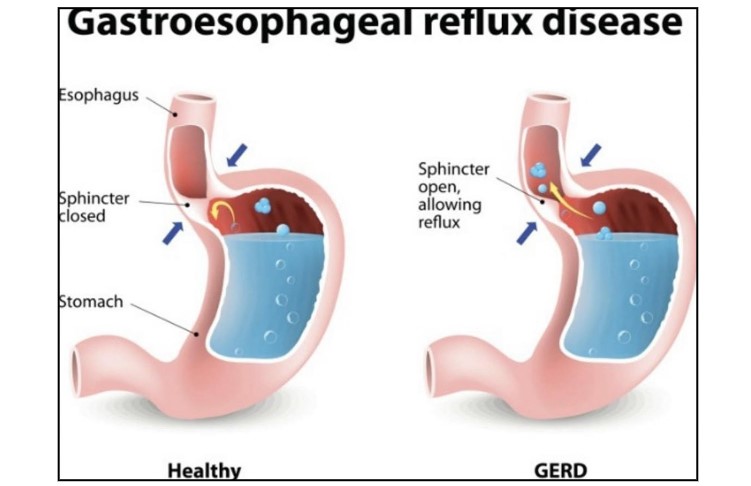
GERD occurs due to weakness or relaxation of the valve (lower oesophageal sphincter) that separates the stomach from the oesophagus. Common risk factors include
A hiatal hernia, where part of the stomach moves up into the chest, also contributes to GERD
The most common symptoms of GERD are heartburn and regurgitation. Regurgitation is the backward flow of stomach acid or partially digested food into the throat and mouth, which often causes a sour or bitter taste.
Other possible symptoms include: Nausea, chest pain, difficulty swallowing, chronic cough, water brash (excess saliva mixed with stomach acid), and the sensation of a lump in one’s throat. Symptoms may be mistaken for general acidity, but if they occur frequently, they may signify GERD.
GERD can worsen and result in other conditions if left untreated. These may include:
Diagnosis starts with your doctor reviewing your symptoms. If symptoms persist, specialised diagnostic tests may be recommended to determine the extent of the problem, such as:
GERD is a chronic condition that requires ongoing management. Many people find relief through lifestyle changes. For those with persistent or severe acid reflux, doctors often recommend medications to reduce stomach acid and protect the oesophagus from damage. In some severe cases, surgery may be recommended.