Mouth Ulcers: Why Not To Ignore
& Get Quick Relief.
What are Mouth Ulcers and why are they important:
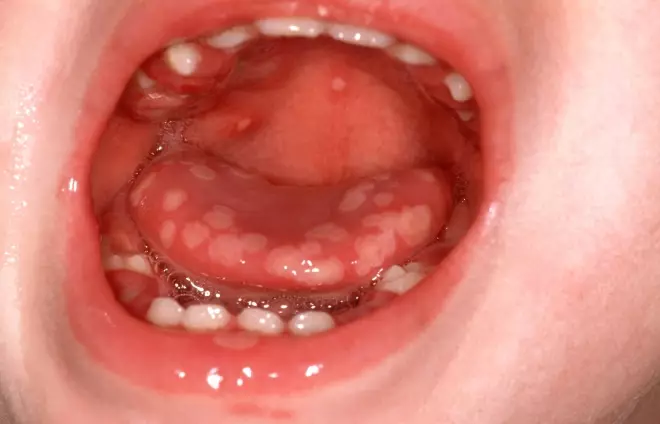
Mouth ulcers, often called canker sores, are small, painful sores that form on the
inside of the mouth on the cheeks, gums, tongue, or lips. These patches may be
red, yellow, or white and can appear alone or in clusters. While they are
generally harmless, not contagious, and may heal on their own, they can cause
discomfort and affect daily activities such as eating, drinking, and speaking. An
ulcer that does not heal may be a sign of mouth cancer. Blood tests or
biopsies may be recommended to rule out underlying conditions
contributing to the ulcers.
 *ww.pharmaceutical-journal.com
Types of Mouth Ulcers:
- Minor ulcers: Small (2–8 mm), mild pain, usually heal in two weeks
without scarring.
- Major ulcers: Larger, deeper, often irregular in shape, take several weeks
to heal and are likely to leave scar tissue once they clear.
- Herpetiform ulcers: Tiny clusters that resemble cold sores but are not
caused by the herpes virus and are not contagious.
Common Symptoms to Watch For:
- Painful sore(s) inside the mouth (cheeks, tongue, lips, or gums)
- Red, white, or yellow patches
- Tingling or burning sensation before the sore appears
- Pain while eating, drinking, or talking
- Occasional symptoms: fever, swollen glands, fatigue, or diarrhoea
(usually with severe or recurrent episodes).
Ulcers that last more than 3 weeks, merge into larger lesions, or do not heal
need medical attention.
What Causes Mouth Ulcers:
The exact cause is not always clear, but several common triggers include:
- Minor injuries (from dental work, rough brushing, biting cheek, braces,
dentures or hot foods)
- Sensitivity to certain foods (spicy or acidic items, chocolate, coffee,
strawberries, nuts, eggs, cheese)
- Some toothpaste and mouthwash ingredients (especially sodium lauryl
sulphate)
- Vitamin and mineral deficiencies (B12, folate, iron, zinc)
- Health conditions (Crohn’s disease, coeliac disease, autoimmune
disorders, hormonal changes).
Treatment and Relief:
Most mouth ulcers heal naturally. To manage pain and help with healing:
- Rinse your mouth with saltwater or a baking soda solution
- Apply gels or ointments recommended by your doctor
- Avoid spicy, hot or acidic foods until the ulcer heals
- Place an ice pack on your cheek for comfort
- Take vitamin or mineral supplements if advised by your doctor.
Note for parents: In children, most mouth ulcers are harmless, but if they occur
frequently or are accompanied by fever, it is important to consult a doctor.
Seek medical attention if:
- An ulcer lasts more than three weeks
- Ulcers keep coming back or become very painful
- You notice other symptoms like high fever, swollen glands, or difficulty
swallowing.
Prevention of Mouth Ulcers:
- Maintain oral hygiene—brush twice daily with a soft-bristle brush and
fluoride toothpaste
- Avoid trigger foods (spicy, acidic or rough-textured items)
- Stay hydrated—drink plenty of water
- Avoid biting cheeks and lips; chew carefully
- Quit smoking and tobacco use
- Schedule regular dental check-ups.
Mouth ulcers are common and usually harmless, but they should not be ignored.
With simple care and good oral hygiene, they can be managed effectively.
Persistent or severe ulcers need medical attention. Early care helps ensure quick
recovery and good oral health.