Tracking Personal and Family
Medical History
According to the WHO, 17.9 million people die from cardiovascular diseases,
4.1 million from diabetes, and 2 million from cancer annually, which are
potentially the most common genetically inherited diseases. Being aware of
these and tracking personal and family history will help assess your
susceptibility to these and take early preventive action. Understanding your
family medical history can help your doctor to guide you in preventive and
protective measures and make lifestyle adjustments relevant to your unique
risks.
To effectively track your personal and family medical history:
- Develop a family health portrait:
Construct a family tree detailing
blood relatives, their current and past diseases, drug allergies, age of
onset, cause of death and genetic conditions by using a medical history
template. This information
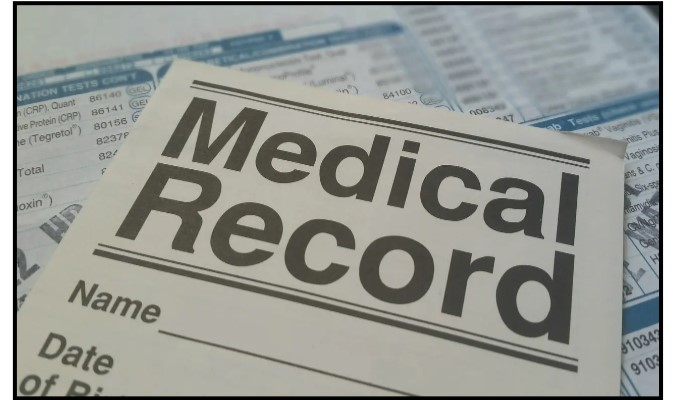
- Organised personal health records:
Maintain a concise record of your
current or past chronic conditions, surgeries, medications (including
names, dosages, and frequencies), vaccinations, and screening test results
for efficient healthcare management. Update any changes in this record.
- Record lifestyle factors: Take note of your habits—tobacco, alcohol,
and substance abuse alongside diet and exercise. These choices strongly
affect health. Understanding and addressing these factors allows
healthcare professionals to customise interventions for a healthier life.
- Communication with healthcare providers: Share relevant family and
personal medical history with healthcare professionals without hiding any
facts. It will help in preventive care and early detection.

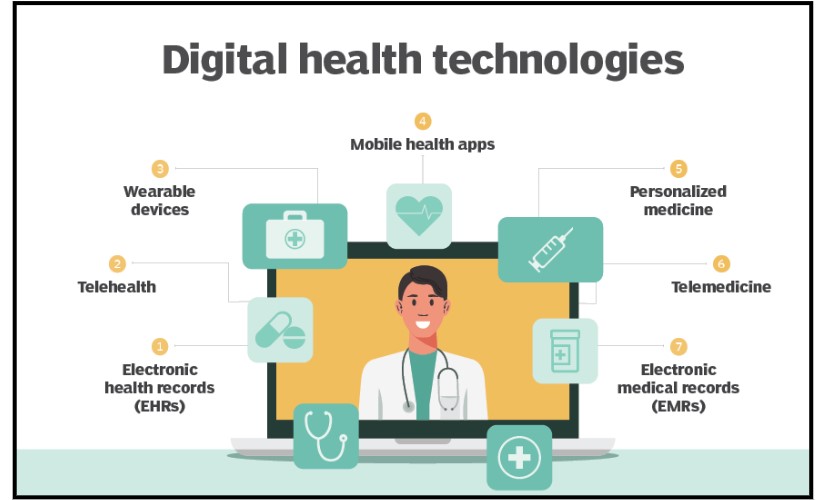
- Utilise digital health platforms
for easy tracking and managing your
personal and family medical history. Store electronic copies securely in
cloud storage, ensuring accessibility from anywhere.
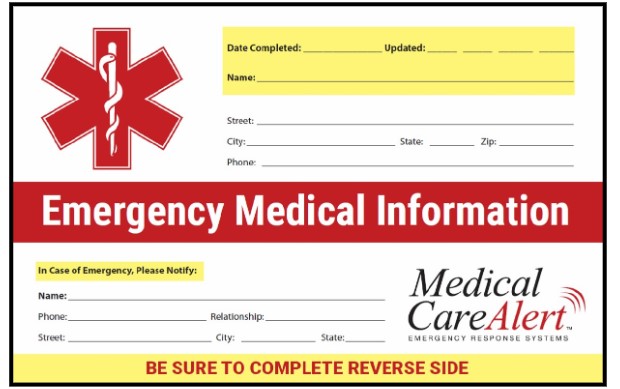
- Emergency information:
Keep all medical records in one accessible
place along with emergency contact details, doctor information, current
medications, organ donor authorisation, and health insurance information.
Understanding and managing your personal and family medical history not only
supports your health but also serves. purposes like research, insurance verification, addressing complaints, seeking reimbursement, and supporting
legal claims if necessary.