Check, Change, Control: Do Not Wait for a Heart Attack to Learn Your Cholesterol Numbers
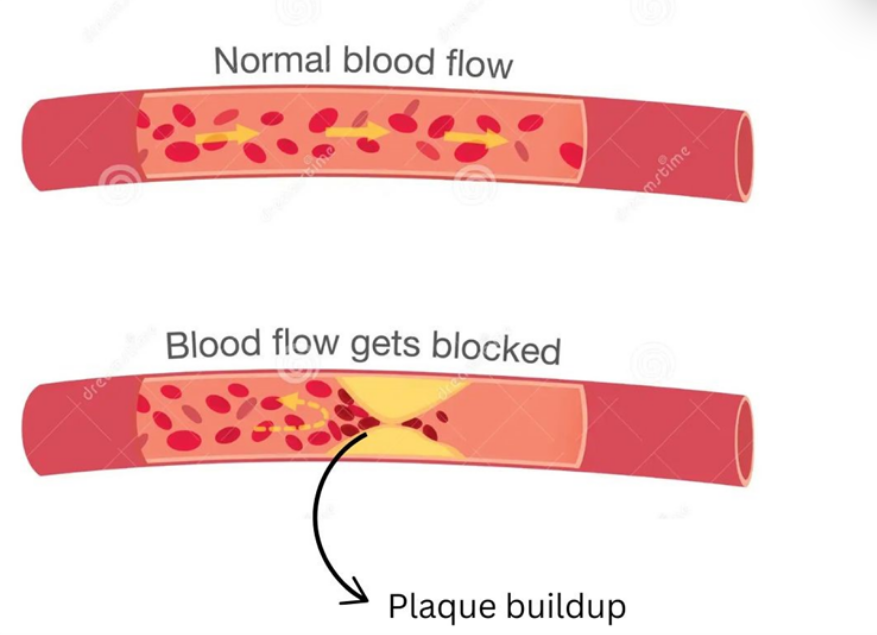
Your body actually needs cholesterol; it uses this wax-like fat to build healthy cells, produce vital hormones, and digest food. But when excess fat circulates in your blood, it turns into a silent hazard.
Nearly 9 in 10 Indian adults (87.3%) have unhealthy blood-fat levels. High cholesterol causes no pain, no fatigue, and zero warning signs. You can feel completely healthy while silent fatty deposits gradually clog your arteries, drastically increasing your risk of a sudden heart attack or stroke.
The first symptom shouldn't be an emergency room visit. Take control today with three simple steps:
Understand Your Blood Test
You cannot feel high cholesterol; you can only measure it through a blood test which your doctor will order as a lipid profile. Lipids simply means all the fats in your blood. The test breaks down into three key numbers:
- LDL (Bad Cholesterol): Target is below 100. This excess fat builds on artery walls and forms blockages.
- HDL (Good Cholesterol): Target is above 40 for men, above 50 for women. This fat acts like a cleanup crew, carrying excess cholesterol back to the liver.
- Triglycerides (Unused Energy): Target is below 150. While cholesterol builds cells, triglycerides store unused calories from meals (especially sugar, alcohol, and refined carbs) as fat in your blood. High levels also harden your arteries.
Control Your Fat Input
Your daily choices directly dictate what flows through your blood vessels
- Avoid foods loaded with saturated and trans facsimilia deep-fried snacks, packaged baked goods, red meat, and full-fat dairy like butter or ghee.
- Raise your body's "cleanup fat" by staying physically active—just 30 minutes of daily brisk walking helps your body naturally clear out bad cholesterol.
Monitor and Medical Action
Diet alone is not always enough, especially if high cholesterol runs in your family.
- Track Regularly: Adults should test starting at age 20. If you are over 30 or have a family history of heart disease, ask your doctor for a blood cholesterol test immediately and re-test as advised.
- Treat Early: If your numbers stay high despite lifestyle changes, take prescription cholesterol-lowering medication exactly as advised by your doctor. These medicines actively prevent plaque from rupturing and triggering heart attacks.
Do not wait for a crisis to act. Ask your doctor for a blood cholesterol test today it takes 5 minutes to save your heart