Snoring- Could be severe Sleep Apnea
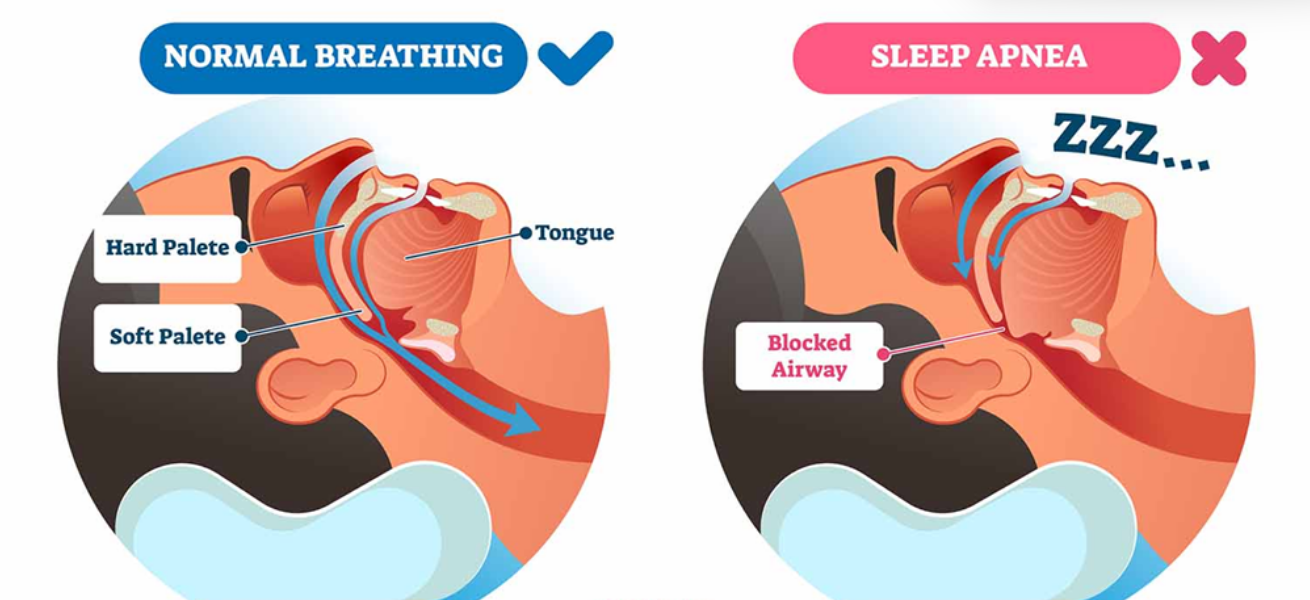
Snoring is a common sleep-related sound that occurs when air flow through the mouth and nose is partially blocked during sleep. It results in the vibration of the tissues in the throat, leading to the characteristic snoring sound. Besides being a social embarrassment, it can potentially be a sign of a serious health issue called Sleep Apnea
Sleep Apnea is characterised by repeated interruption in breathing during sleep. This restricts the flow of oxygen into the bloodstream, putting individuals at risk of high blood pressure, heart attacks, stroke, rapid heartbeats, etc. Not all snoring may cause sleep apnea, but it cannot be ruled out unless tested and should not be ignored.
Signs and Symptoms of Sleep Apnea
- Excessive daytime sleepiness: In more severe cases, this can cause drowsiness during driving, working or other activities.
- Pauses in breathing while asleep that a partner may notice
- Frequently waking up during the night, which disrupts the normal sleep cycle
- Night sweats and feeling restless at night
- Waking up short of breath or feeling like choking
- Headache while waking up
Complications of Sleep Apnea
- Heart damage or heart failure: Sleep apnea increases pressure in the blood vessels around the heart and its chambers which puts a strain on the heart, ultimately causing damage to the heart muscle.
- Sudden cardiac death: Some arrhythmias (irregular heart beat) that can happen with sleep apnea are especially severe and can stop your heart, leading to sudden cardiac death.
- High blood pressure or heart problems: Sudden drop in blood oxygen levels that occurs during OSA Obstructive sleep apnea increases blood pressure, also known as hypertension.
- Stroke occurs through various conditions, including hypertension, inflammation and cardiovascular strain.
Who is more at risk
Men are more likely to have sleep apnea than women. However, the risk for women increases if they are overweight or in the post-menopausal stage.
Tests to diagnose Sleep Apnea
A healthcare provider will diagnose sleep apnea by asking about symptoms and medical history. Based on the condition, a test may be recommended.
- Overnight sleep study (polysomnogram): In this test, the person may be advised to sleep in a medical facility (often known as a “sleep lab”) that’s specially equipped to be as comfortable as possible while still monitoring sleep. This test involves sensors that monitor heart rate, breathing, blood oxygen levels, brain waves and more.
- Home Sleep Apnea testing: This form of testing allows a person to complete a sleep study from home. It is similar to an overnight sleep study but doesn't involve brain wave monitoring.
These are non-invasive and capture your information on breathing patterns, sleeping patterns, oxygen levels, heart rate, etc
How is Sleep Apnea treated, and is there a cure
Sleep apnea can be managed through lifestyle changes, but in some cases, specialized treatment may be required based on the results of a sleep study
- Changing position while sleeping. as sleeping on the back makes sleep apnea more likely. Special support pillows and similar items can help change the position.
- Managing weight for people who have excess weight or obesity
- Using oral appliances: Special mouthpiece devices can help hold the jaw and tongue in a position that keeps pressure off the windpipe.
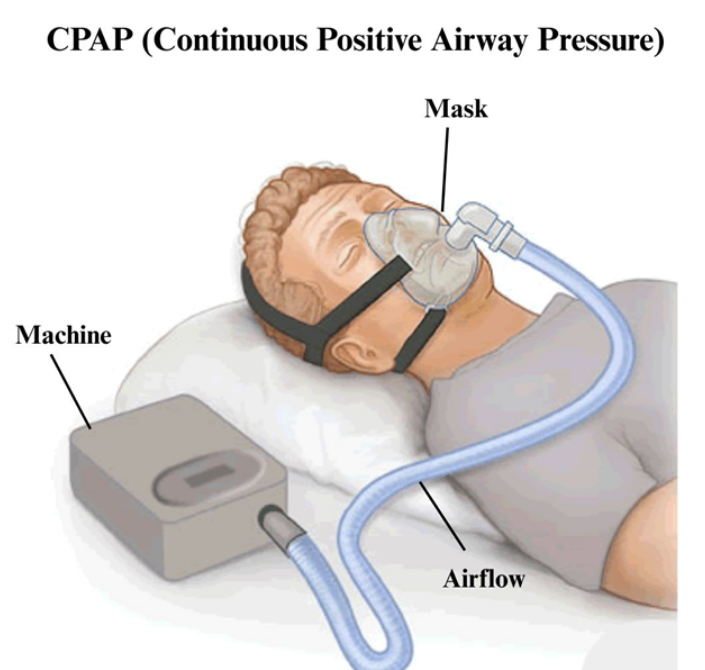
- Using a specialised device increases the air pressure inside the airway while you inhale and opens up the passage. A commonly used is CPAP (Continuous Positive Airway Pressure) machine. In severe cases, surgery may be required increases the air pressure inside the airway while you inhale and opens up the passage. A commonly used is CPAP (Continuous Positive Airway Pressure) machine. In severe cases, surgery may be required
Getting the right diagnosis and a personalised treatment plan can help individuals sleep better, have a better life and lower the chances of problems arising from untreated sleep apnea. Getting the right diagnosis and a personalised treatment plan can help individuals sleep better, have a better life and lower the chances of problems arising from untreated sleep apnea.