Is Your Thyroid Secretly Running the Show? What You Need to Know
What Is the Thyroid, and Why Is It Important
An estimated 42 million Indians live with some form of thyroid disease, with hypothyroidism affecting roughly 1 in 10 adults and women nearly twice as often as men. Despite how common these disorders are, they frequently go undiagnosed because early signs are easily mistaken for everyday stress, ageing, or general fatigue.
The thyroid is a small, butterfly-shaped gland located at the base of your neck, just below Adam's apple.
As part of your body's endocrine system, it produces two vital hormones, T3 and T4, which act as your body's internal thermostat and master regulator. They control the speed of your metabolism (how your body converts food into fuel), directly influencing your heart rate, body temperature, energy levels, and brain function.
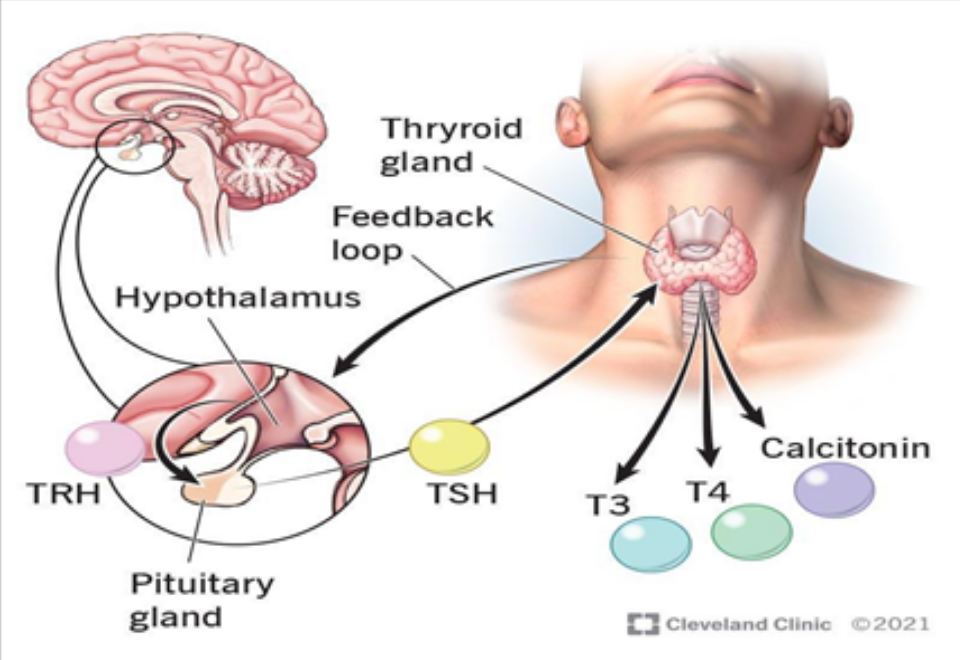
When the thyroid gland malfunctions, its effects are felt across the entire body. Thyroid conditions generally fall into four primary categories:
- Hypothyroidism (Underactive Thyroid): The gland does not produce enough thyroid hormones, causing body processes to slow down.
- Hyperthyroidism (Overactive Thyroid): The gland produces excess hormones, accelerating body functions beyond what is needed.
- Goiter: An abnormal enlargement of the thyroid gland, often causing visible swelling in the neck.
- Thyroid Nodules & Cancer: Growth of fluid-filled or solid lumps in the thyroid tissue, which require medical evaluation.
Recognizing the Symptoms: Underactive vs. Overactive
Because hypothyroidism and hyperthyroidism affect the body in opposite ways, their symptoms differ significantly. Grouping them helps you identify what your body may be experiencing:
Underactive Thyroid (Hypothyroidism)
When body processes slow down:
- Persistent fatigue and unexplained weight gain
- Increased sensitivity to cold temperatures
- Dry skin, thinning hair, and swelling in the neck
- Slow heart rate and muscle weakness
- Memory fog, low mood or feelings of depression
- Heavy or irregular menstrual cycles
Overactive Thyroid (Hyperthyroidism)
When body processes speed up:
- Unexplained weight loss despite normal appetite
- Rapid or irregular heartbeat (palpitations)
- Difficulty tolerating heat and excess sweating
- Nervousness, anxiety, irritability and hand tremors
- Sleep disturbances and bulging/irritated eyes
- Light, infrequent or missed menstrual periods
When to Seek Immediate Emergency Care
If you experience a dangerously rapid or irregular heartbeat, high fever, severe agitation, sudden confusion or difficulty breathing, seek medical emergency care immediately. These can indicate a rare but critical thyroid crisis.
Who Is Most at Risk?
Thyroid disease can affect anyone at any age, but certain factors increase individual risk:
- Gender and Age: Women are up to 5 to 8 times more likely than men to develop thyroid disorders, with risk increasing after age 60.
- Pregnancy & Reproductive Health: Hormonal shifts during pregnancy or post-childbirth significantly alter thyroid demand. Undiagnosed thyroid issues can impact fertility, menstrual regularity, and fetal development.
- Personal or Family History: Having a close relative with thyroid disease increases your likelihood of developing condition.
- Autoimmune Conditions: Existing conditions such as Type 1 diabetes, rheumatoid arthritis, lupus, or celiac disease significantly elevates risk.
- Medications and Nutrient Imbalances: Excessive iodine intake, severe deficiency in key micronutrients (like Vitamin D and selenium), or long-term use of specific medications (such as lithium or amiodarone) can trigger imbalances.
How Is Thyroid Disease Diagnosed?
If your healthcare provider suspects a thyroid issue, diagnosis is straightforward and relies on three standard evaluations:
- Medical History & Physical Exam: Checking neck area for visible swelling or nodules, measuring heart rate and reviewing family history
- Targeted Blood Tests: TSH (Thyroid-Stimulating Hormone): The primary screening test.High TSH indicates an underactive thyroid (hypothyroidism); low TSH suggests an overactive thyroid (hyperthyroidism).
- Free T3 and Free T4: Measures the active thyroid hormones circulating in your blood.
- Ultrasound & Imaging: An neck ultrasound evaluates the size of the gland and checks for cysts or nodules.
- Radioactive scans may be used in specific cases of hyperthyroidism.
Treatment Options and Daily Prevention Steps
While genetic or autoimmune thyroid conditions cannot be entirely prevented, effective management allows individuals to live full, healthy lives. Treatment depends on the specific condition and may involve prescription medication to normalize hormone levels, radioactive iodine therapy, or, in rare cases, surgical removal of the gland (thyroidectomy).
Important Note on Lifestyle & Diet: Lifestyle habits do not "cure" underlying thyroid disease, but they play a vital role in regulating metabolism and preventing complications.
- Enjoy Vegetables Smartly: Leafy greens and cruciferous vegetables (such as cabbage, spinach, and cauliflower) contain natural compounds that can affect thyroid uptake only when eaten in very large, raw quantities. Normal cooking neutralizes these compounds completely, so there is no need to avoid this healthy food.
- Balanced Iodine and Nutrient Intake: Maintain adequate levels of Vitamin D and selenium through a balanced diet of whole grains, fruits, vegetables, and lean protein. Avoid unmonitored iodine supplements unless prescribed.
- Prioritize Sleep and Stress Management: Aim for 7 to 9 hours of quality sleep nightly. Incorporate stress reduction techniques like regular physical movement, yoga, or meditation to help stabilize hormones.
- Eye Care for Overactive Thyroid: If you have Graves' disease or eye irritation from hyperthyroidism, protect your eyes from sun and wind using sunglasses and lubricating drops.
- Limit Caffeine and Stimulants: Excessive caffeine can worsen nervousness, sleep disruption, and heart palpitations in overactive thyroid conditions.
Disclaimer:
This article is intended for general health awareness and educational purposes only. It is not a substitute for professional medical advice, diagnosis, or treatment. Always consult a qualified healthcare provider regarding any health condition or treatment plan.