Ignoring Joint Pain Can Cost You Your Mobility
Joint pain is a common issue that can affect anyone, regardless of age. It can
range from a mild ache to a severe and debilitating pain. Joints are essential for
movement and flexibility, and when they hurt, it can significantly impact your
daily life.
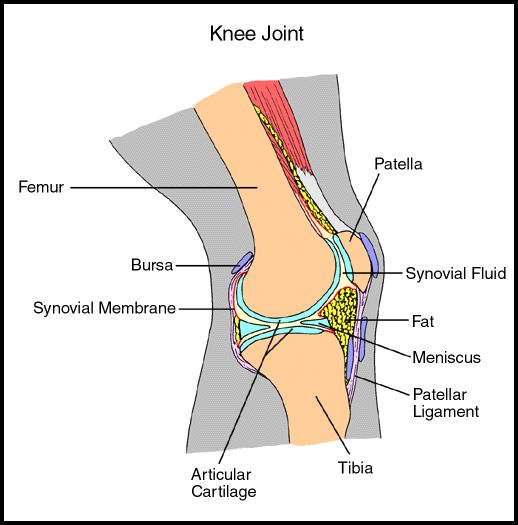
Joints are formed by the ends of the bones coming together and are supported
by several other body elements that are important to know:
- Cartilage: This smooth tissue covers the ends of the bones at the joint. It
reduces friction and acts as a cushion to absorb shock during movement.
- Ligaments: Strong bands of connective tissue that hold the bones
together and give the joint stability.
- Tendons: Tough cords that attach
muscles to bones on either side of the
joint, allowing movement when muscles
contract.
- Bursae: Small, fluid-filled sacs between
some bones and surrounding tissues (like
tendons and muscles) that help reduce
friction.
- Synovial Fluid: A thick, slippery liquid
within the joint capsule that keeps the
joint surfaces lubricated and nourishes
the cartilage.
What Are the Different Types of Joint Pain
Joint pain are various type, but the most common include:
- Injuries: Joint pain can also be the result of injuries like sprains, strains,
or a dislocated joint.
- Osteoarthritis: Often called "wear-and-tear" arthritis, this is the most
common type. It happens when the protective cartilage on the ends of
your bones wears down over time, causing bones to rub against each
other. It most commonly affects the knees, hips, and hands.
- Rheumatoid Arthritis: An autoimmune disease where the body's
immune system mistakenly attacks the lining of the joints, causing
inflammation, swelling, and pain. Unlike osteoarthritis, it often affects
joints on both sides (e.g., both knees or both wrists).
- Bursitis: This is the inflammation of the bursa, a small fluid-filled sac
that acts as a cushion between bones, tendons, and muscles. It is often
caused by overuse or repetitive motion.
- Gout: A type of arthritis caused by a buildup of uric acid crystals in a
joint, leading to sudden, severe pain, redness, and swelling, most often in
the big toe.
Diagnosing the underlying Causes
Joint pain can be seen as a red flag, a signal that something is not quite right. It
is not always easy to figure out why you are in pain and how to fix it. You may
be referred to an orthopaedic. Your doctor will ask about your pain type,
location, duration, and perform physical exams, and recommend tests like X-
rays, blood tests, or joint fluid analysis to find the root cause.
Are Joint Pains of the Limbs and Spine are different
Joint pain in the limbs (e.g., knees, hips, shoulders) are different from pain in
the spine. While both can be caused by conditions like osteoarthritis, the spine
has a unique set of joints and structures.
- Spinal Arthritis: This is inflammation of the joints in the spine . It often
results from wear and tear and is more common in the lower back and
neck. It can cause pain and stiffness that's more noticeable when you
bend or twist.
- Rheumatoid Arthritis: While more common in limb joints, it can also
affect the spine, particularly the neck, and is not caused by wear and tear.
It is important to distinguish between spinal joint pain and back pain caused by
muscle issues, like strains or spasms, which tend to be more localised and may
resolve in a few days.
What Are the Treatment Plans? Is It Good to Have Painkillers?
The treatment for joint pain depends on the cause and severity of symptoms.
Often, joint pain can improve with simple home care, such as resting the
affected joints.
- Physical Therapy focusing on strengthening muscles around joints,
improving range of motion and flexibility is very effective.
- Medications can provide relief, but it is important to remember that
painkillers like paracetamol only manage pain temporarily and do not
address the underlying cause of joint pain.
- For certain conditions like rheumatoid arthritis, doctors may prescribe
medications that modify the immune system to reduce inflammation and
joint damage.
- Surgery is the last option of treatment for joint pain, and in severe cases,
joint replacement can be considered.
When Do We Need a Joint Replacement
Joint replacement surgery is typically considered when all other treatment
options have failed to provide relief. The decision to proceed is made in
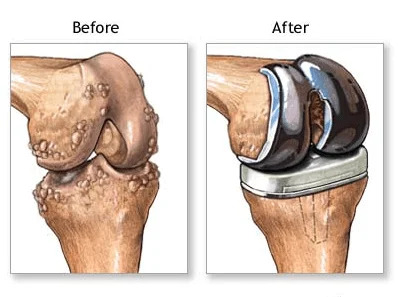
consultation with an orthopaedic surgeon. An orthopaedic surgeon removes the
damaged bone and cartilage in the affected joint and replaces them with
artificial parts. made from metal or plastic. This can be done for hip, knee and
shoulder joints. Most people feel long-lasting pain relief after this type of
surgery.
Preventive Management
Taking proactive measures can help decrease the risk and severity of
discomfort. These include maintaining a healthy weight, staying active with
gentle exercises, and protecting joints from injury, eating a
balanced anti-inflammatory diet, and avoiding repetitive stress on joints.
See a physician before a painful situation becomes worse.