


Osteoporosis is a bone disease that develops when bone density and bone mass decrease or when the structure and strength of bone change. This can lead to a decrease in bone strength that increases the risk of fractures.
Other symptoms include back pain, a change in natural posture, and shortness of breath.
It is a silent disease because you do not know you have this condition until you break a bone, including the hips, wrist or spine. Prioritising bone health through regular screenings, exercise, vitamin supplements as prescribed by the doctor, and adopting a bone-friendly lifestyle can mitigate the impact of osteoporosis.
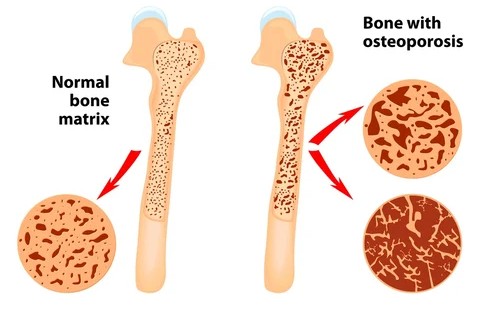
The symptoms of Osteoporosis are often overlooked early and felt when incidents happen.
A healthcare provider will diagnose osteoporosis with a bone density scan to check your bone density. It uses X-rays to show bone structure and how much calcium and other minerals are in your bones.
Healthcare providers sometimes refer to bone density tests as DEXA scans, DXA scans or Bone densitometer scans. These are different names that refer to a similar test.
Your healthcare provider will suggest a combination of treatments that slow down your bone loss and strengthen your existing bone tissue. Most of treating osteoporosis is preventing bone fractures.
Treatments include:
Be careful and avoid the risk of falling, remove tripping hazards, and use handrails on stairs and in bathrooms. Wear supportive, non-slip footwear. Engage in regular exercises that improve balance and strength, and maintain a healthy diet rich in calcium and vitamin D to support bone strength.