

Alzheimer’s disease is a progressive brain disorder and the most common cause of dementia, accounting for 60–70% of all cases. It slowly impairs memory, thinking skills, and the ability to carry out everyday tasks. As the disease advances, people experience confusion, changes in behaviour, and problems with language and movement.
The early signs of Alzheimer’s disease may not be obvious to anyone except the person with the disease and those closest to them. Even then, the symptoms can be confused with normal age‑related changes.
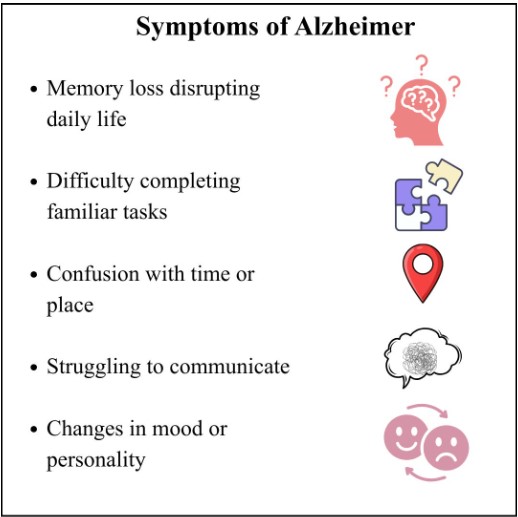
Symptoms gradually worsen over time. Individuals experiencing any of these signs should seek medical attention promptly.
As the condition progresses, other complications may arise that can be serious or even fatal. These include a general decline in physical health, infections such as pneumonia or skin infections, seizures, difficulty breathing or swallowing, and loss of body control. Often, the quality of life slowly decreased.
Alzheimer’s cannot currently be reversed. Existing treatments help control symptoms and, in some cases, slow progression, especially when detected early.
Diagnosis usually involves:
Early detection and treatment gives the best chance to preserve brain health over time. Several types of medication are available to manage symptoms effectively and slow down its rate of decline.
Healthcare providers decide the most suitable combination, medication, lifestyle modifications and cognitive therapies.
Alzheimer’s is best managed with love, structure, and safety:
Caregivers play a key role. It is stressful and they need to balance their life, share responsibilities. Seek help from support groups when needed.
Certain risk factors for Alzheimer’s disease, such as age and genetics, cannot be changed. However, proactive, healthy lifestyle choices can help lower the risk and protect brain health.
Many trusted Alzheimer’s support groups and organisations provide valuable help to individuals living with Alzheimer’s and their caregivers, who can reach out to these resources for guidance and support.