Types of Neurological Disorders
You Should Know
Introduction
Neurological disorders are medical conditions that disrupt the normal nervous
system, including the brain, spinal cord, and nerves. These disorders can arise
from structural, biochemical, or electrical abnormalities in the nervous system.
The nervous system controls and coordinates all bodily activities, including
movement, thought processes, emotions, and sensory experiences. Any damage
or dysfunction in this system can lead to neurological issues and significantly
impact an individual’s quality of life if left untreated.
How Prevalent Is It?
Neurological disorders are among the leading contributors to the burden of
disease in India. The overall prevalence of neurological disorders can reach as
high as 2,400 cases per 100,000 population.
The Most Prevalent Neurological Disorders Include:
- Alzheimer’s disease: Alzheimer's is a progressive neurodegenerative
disorder and the leading cause of dementia. It is marked by memory loss,
cognitive decline, and behavioural changes.
- Parkinson’s disease: Parkinson's is a neurodegenerative condition
primarily affecting movement. It is characterised by tremors, rigidity, and
bradykinesia (slowness of movement), resulting from the loss of
dopamine-producing neurons in the brain.
- Epilepsy is a neurological disorder involving recurrent seizures due to
abnormal electrical activity in the brain. Seizures vary in type and
severity, often requiring anti-epileptic medications for management.
- Migraine is a chronic neurovascular condition classified as a
neurological disorder. It is characterised by recurrent, often unilateral
(one-sided), severe headaches that may be accompanied by symptoms
such as photophobia (sensitivity to light), phonophobia (sensitivity to
sound), nausea, and vomiting.
- Stroke occurs when the blood supply to part of the brain is interrupted or
reduced, preventing brain tissue from getting oxygen and nutrients.
Strokes are either due to blockage or due to bleeding. It is very important
to know the signs of a stroke and get immediate medical help and prevent
lasting damage.
The Most Prevalent Neurological Disorders Include:
Who is At Risk?
- Age: Older adults are at higher risk for neurodegenerative diseases like
Alzheimer's and Parkinson's.
- Genetics: Individuals with a family history of neurological disorders may
have an increased predisposition to developing similar conditions.
- Chronic health conditions such as diabetes, high blood pressure, and
cardiovascular diseases.
- Unhealthy lifestyle factors include poor diet, physical inactivity,
smoking, social isolation, and unmanaged depression.
Common Symptoms
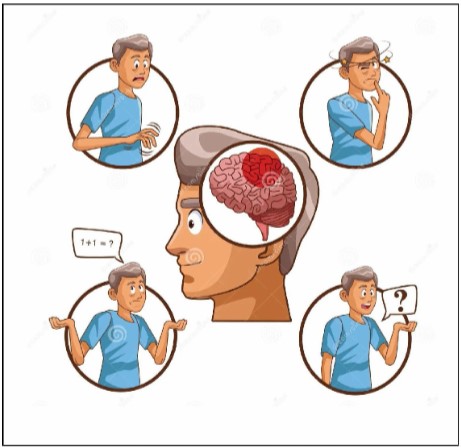
Neurological symptoms vary based on the type and severity. Some conditions
affect only one bodily function or part of your body, while others can affect
several.
Symptoms of neurological disorders include:
- Muscle movement: Weakness, stiffness, tremor, spasms, paralysis,
coordination challenges, falls.
- Sensitivity changes: Numbness, tingling, hypersensitivity to touch and
temperature, loss of feeling.
- Changes to your senses: Vision loss, double vision, ringing in your ears,
hearing loss, loss of smell and taste, hallucinations, vertigo and loss of
balance.
- Sleep problems: Difficulty falling asleep, daytime sleepiness,
uncontrollable movements during sleep, loud snoring.
- Consciousness changes: Fainting, seizures, coma.
- Cognitive impairment: Confusion, memory loss, trouble with
concentration, learning or processing information, mood changes.
- Speech and language difficulty: Slow speech, slurred speech, difficulty
swallowing.
- Pain: Headache, back pain, neck pain.
Some symptoms of functional neurologic disorder, particularly if not treated,
can result in substantial disability and poor quality of life.
Diagnosis
Diagnosing neurological disorders can be challenging due to overlapping
symptoms and the complexity of the nervous system. Advanced imaging
techniques like MRI and CT scans, along with tests like EEG, are used to aid
diagnosis. Despite these tools, some conditions remain undiagnosed or
misdiagnosed.
Treatment
Treatments vary widely and often involve medications to manage symptoms,
neurorehabilitation, and lifestyle changes. Some conditions may require surgery
or specific diets. Treatment plans often focus on managing symptoms and
slowing disease progression rather than reversing the condition.
Reversibility of Neurological Disorders
Most neurological disorders cannot be fully reversed, though some symptoms
can be managed effectively. Early intervention and treatment can improve
outcomes.
Reducing the Risk of Neurological Disorders
- Stay active through regular movement and exercise
- Stay socially connected and avoid isolation
- Keep mind active with reading, writing, learning, and creative hobbies.
- Manage chronic conditions like hypertension, diabetes, and high
cholesterol with regular check-ups and proper medication
- Get enough sleep
- Eat a healthy diet low in sugar and saturated fats, and rich in greens,
fruits, and antioxidants
- Avoid smoking and limit alcohol
- Practise safety measures like wearing seat belts and helmets to prevent
head injuries.
- Do yoga, pranayama, and meditation