


Dementia is a syndrome characterised by a decline in cognitive abilities that affects memory, thinking, behaviour, and the ability to perform everyday activities. It is not a single disease but an umbrella term for a group of symptoms caused by damage to the brain from various diseases. Symptoms can vary depending on the cause. Early diagnosis is important for management and care planning.
About 8.8 million Indians over 60 years old, roughly 7.4% of India’s elderly, currently live with dementia. This number is expected to double in the next decade, rising especially among women and in rural areas.
Dementia is caused by damage to the brain from various diseases, most commonly Alzheimer’s disease, but also strokes, infections, chronic alcoholism, severe head injuries, or nutritional deficiencies. Some risk factors can be avoided, like smoking or untreated health problems.
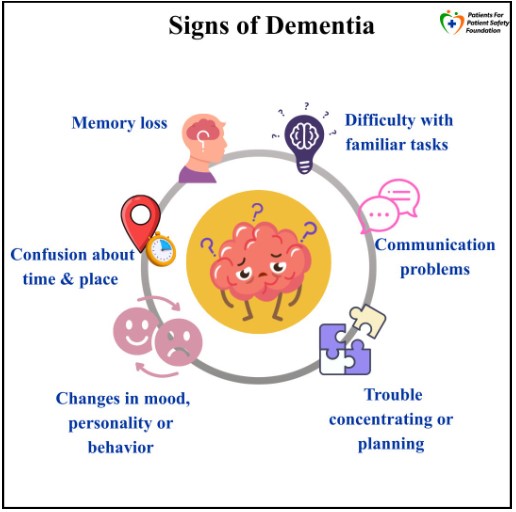
Doctors cannot diagnose dementia with one single test. Usually, the diagnosis involves:
Most types of dementia cannot be reversed. However, some treatable illnesses (like vitamin B12 deficiency or thyroid disease) can look like dementia and are reversible if caught early. That’s why getting tested by a doctor is so important.
About 35–40% of cases may be avoided or delayed by changing certain habits and controlling health conditions. Preventable risk factors include:
While there is no cure, some medicines help manage symptoms or slow down progression, especially in early Alzheimer's disease. Other medicines may treat associated depression, anxiety, or sleep issues. It is important to follow the doctor’s plan and combine medication with lifestyle changes, social activities, and brain exercises.
Caring for a person with dementia is incredibly challenging, impacting a caregiver's physical, emotional, and financial well-being. Caregivers often face difficult behavioural symptoms like memory loss, agitation, wandering, and aggression, alongside the physical demands of daily care. This can lead to stress, depression, social isolation, and burnout.
There are many trusted dementia support groups and organisations available that offer valuable assistance to individuals living with dementia and their caregivers. If you or someone you know is affected by dementia, you can reach out to these supports for guidance and help.