


Migraine affects around 1 billion people globally, making it the third most prevalent illness worldwide. In India alone, over 200 million people suffer from migraines, and even more remain undiagnosed. Despite its widespread impact, there remains a lack of awareness of this condition, resulting in prolonged suffering that can be better managed.
“Migraine” is a severe headache that causes throbbing, pulsing head pain, sometimes on one side of your head. The migraine headache usually lasts for less than four hours, but it can also last for days. This headache worsens with movements, bright lights, loud noises, and strong odours and may lead to nausea and vomiting.
Migraines are believed to be caused by genetic, environmental and neurological factors. Potential triggers include hormonal changes, certain foods (such as aged cheeses or processed meats), stress, lack of sleep, sensory stimuli (like bright lights or strong odours), weather changes and specific medications.
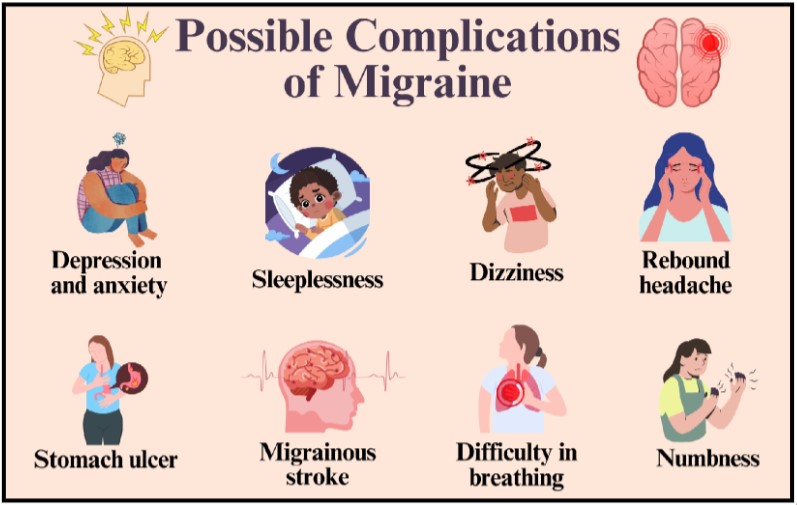
Complications of chronic migraines are possible but uncommon. They include status migrainosus (a severe migraine that lasts at least three days), strokes, aura-related seizures and heart attacks (very rare). Migraines can lead to other harmful effects of health issues, including depression and anxiety, vertigo, sleeplessness, nausea and vomiting, stomach problems and rebound headaches.
Migraines are typically diagnosed based on symptoms reported by the patient. To rule out other possible causes of headaches, the doctor may conduct a thorough medical history, physical examination, and neurological tests. Keeping a headache diary to track symptoms, triggers, and frequency can also aid diagnosis.
The frequency of migraines varies from person to person. One might experience migraines once a year or once a week. On average, most people experience two to four episodes per month. They are most common in the morning. Most migraines are unpredictable, but sometimes you can have an idea of when a migraine will happen, like before menstruation or after feeling stressed.
Treatment for migraines can vary depending on the severity and frequency of attacks. Treatment options include Over-the-counter pain relievers, prescription medications and anti-nausea drugs. Preventive medications may also be prescribed for frequent or severe migraines. Additionally, alternative therapies like acupuncture, biofeedback or nerve stimulation can provide relief for some individuals. Seek professional help in case of repeated episodes.
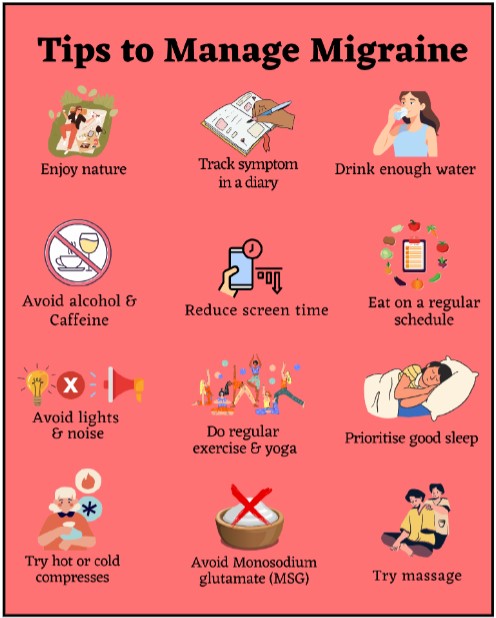
While migraines cannot always be completely prevented, certain lifestyle changes and preventive measures can help reduce the frequency and severity of attacks. These include maintaining a regular sleep schedule, healthy diet, staying hydrated, exercising regularly, practising stress management techniques such as meditation or yoga, avoiding triggers (such as specific foods or environmental factors) and incorporating regular exercise into one's routine.
Certain triggers can exacerbate migraine symptoms in susceptible individuals. These include hormonal changes, stress, lack of sleep, specific foods (such as aged cheeses, chocolate, or processed meats), alcohol, caffeine, strong odours, bright lights, loud noises, weather changes and certain medications.
Children can also experience migraines, although they may present differently from migraines in adults. Childhood migraines often involve shorter durations of pain and may include symptoms such as abdominal pain, nausea, vomiting and dizziness.
Over-the-counter (OTC) medications can help alleviate mild to moderate migraine symptoms for some individuals. However, relying too heavily on these medications can lead to medication-overuse headaches (MOH). MOH occurs when these drugs are used excessively, causing headaches to become more severe and frequent over time. It is important to consult a healthcare professional for personalised treatment recommendations. Do not self-medicate or adjust doses independently.
Talk to your healthcare provider if you are pregnant or plan on becoming pregnant and experiencing migraines. Your doctor might suggest avoiding medications for migraines when you are pregnant or if you think you may be pregnant, as some medications can negatively affect the foetus's development. Your healthcare provider can recommend safer alternative treatment options.
There are certain things you can do to help you feel better when a migraine attack happens:
Migraines, although causing discomfort, are not typically harmful to life. By identifying individual triggers and adopting preventive measures such as maintaining a healthy lifestyle, managing stress and seeking appropriate medical care, individuals can significantly reduce & manage discomfort and pain associated with migraines.